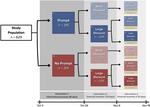
Aligning electric vehicle (EV) charging with periods of abundant clean energy is essential for decarbonizing transportation. In solar-dominated grids, this requires shifting charging to midday hours – when vehicles are typically parked at workplaces. Yet workplace charging networks operate under institutional constraints such as shared infrastructure, bundled parking and charging services, and limited willingness to require drivers to move vehicles, making time-of-day pricing and active management difficult to implement. In a natural field experiment (n = 629 drivers) across a large workplace charging network, we randomize time-invariant price discounts and environmental nudges that emphasize the environmental benefits of daytime charging. Price discounts modestly increase workplace charging but shift charging toward off-solar periods when charger occupancy is lower, while environmental nudges re-time charging toward solar hours without increasing total demand. A follow-up experiment shows that these timing responses are driven by perceived charger scarcity and congestion under price discounts. Finally, we quantify the abatement costs per ton of CO2 of these shifts.